
The big question for 2026 & beyond is RV vs Tiny Home.
The minimalist lifestyle isn’t a trend anymore, it’s a legitimate movement. More people are walking away from oversized mortgages and asking the real question, “Do I buy an RV, or do I build a tiny home?”
Both are solid options for minimalist living, but they serve different lifestyles. Here’s an honest look at the key differences.
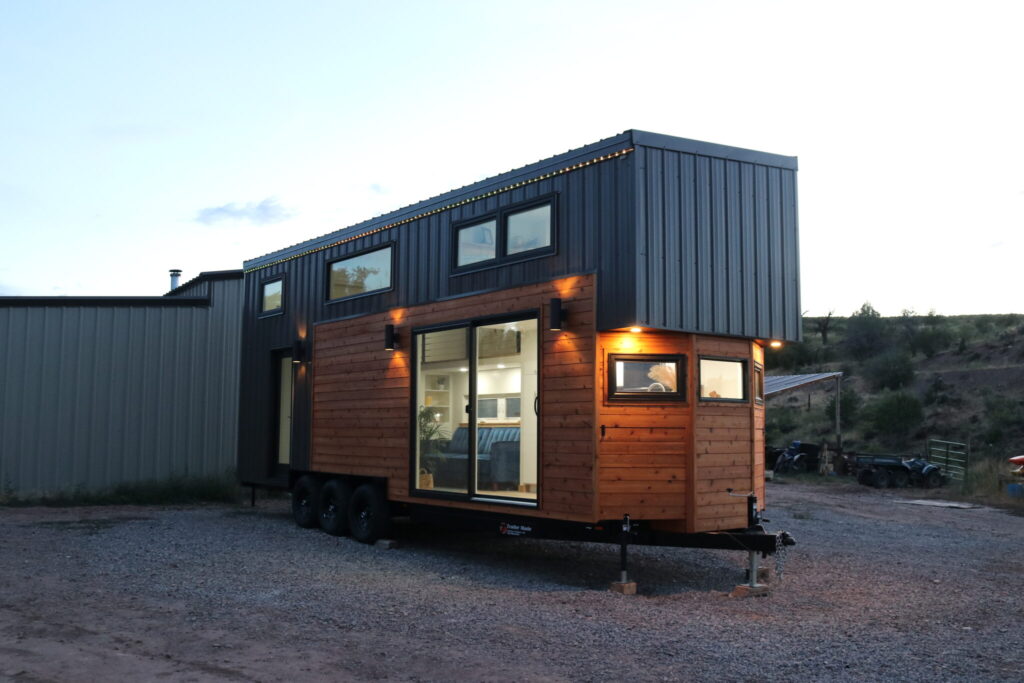
1. Construction and Aesthetic
The difference is obvious the second you walk in.
Tiny Homes are built like traditional homes, just smaller, and on a trailer frame. Real wood framing, residential insulation, drywall, standard fixtures. and home size appliances. Think cozy cottage or modern architectural design with tile backsplashes, farmhouse sinks, and natural light.
RVs are engineered to move. Aluminum, fiberglass, laminated plastics, everything is built for aerodynamics and fuel efficiency. The interior reflects that: compact appliances, pop-out slides, and multi-use furniture designed to keep weight down. They are not 4 season homes.
If you want it to feel like home, go tiny. If you want to move it often, go RV.lightweight and aerodynamically engineered to move, an RV is more up your alley.
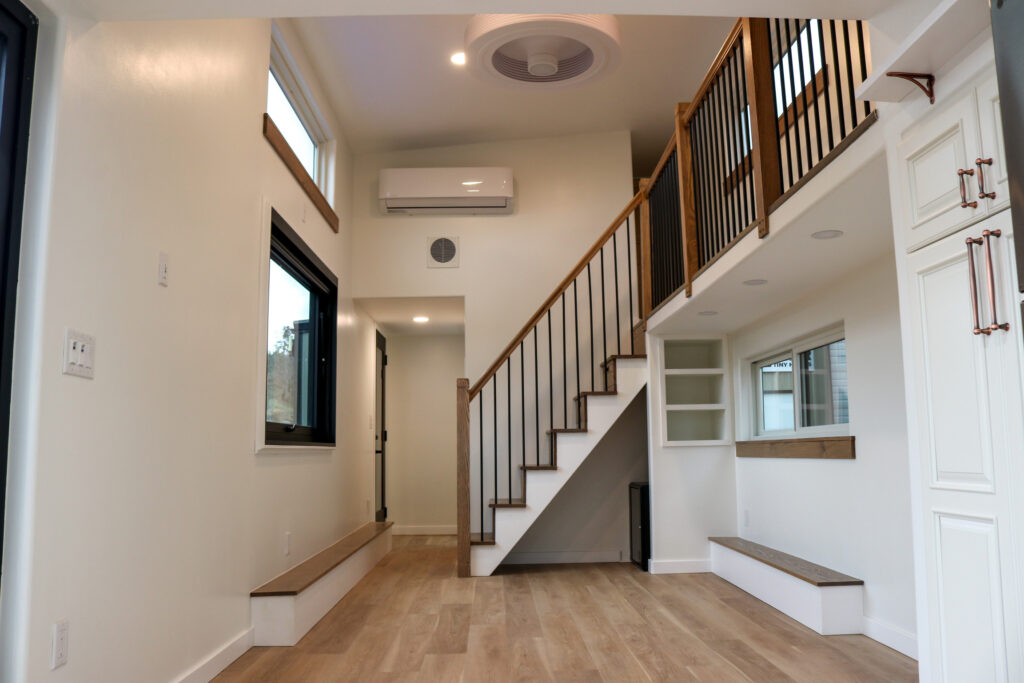
2. Mobility and Travel
Ask yourself how often you actually plan to move.
Tiny Homes are mobile, not movable, there’s a difference. Yes, they sit on a trailer frame with wheels, but they’re heavy, not aerodynamic, and moving one takes a tow vehicle, a planned route, and strapping everything down inside. It’s doable, we have customers that have moved and are planning on moving, it’s just not something you’re doing on a whim.
RVs are built for the road. Lighter, aerodynamically engineered, and designed to handle thousands of miles and frequent relocation. Pack up and go, that’s the whole point.
If you’re planting roots somewhere, a tiny home works. If you want the freedom to move whenever, an RV is the better fit.
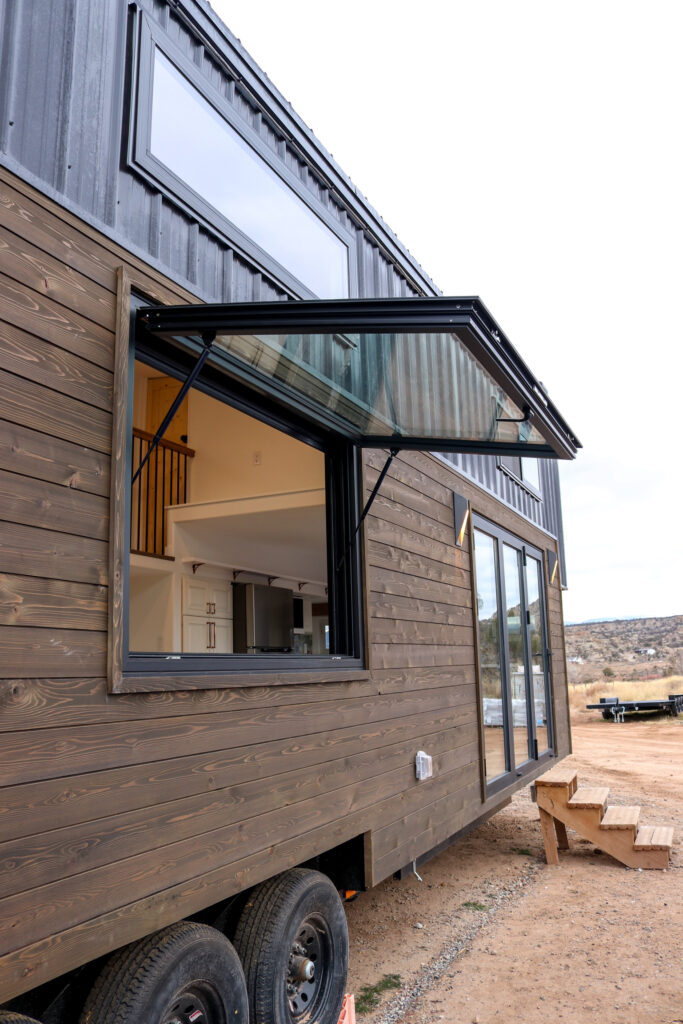
Where your money goes matters. Downsizing should build freedom, not a money pit.
Tiny Homes are built with residential materials, which means they last for decades, just like your stick and brick homes. And they hold their value. Pair one with a piece of land and it is legit real estate, your equity is protected, and resale is a real option.
RVs depreciate like vehicles, because that’s essentially what they are. Drive it off the lot and the value drops immediately. Mechanical wear and tear gives most RVs a realistic lifespan of about 10 years before things start breaking down.
If you’re thinking long-term investment, the tiny home wins. If you’re prioritizing the experience of travel over equity, an RV still delivers, just go in with eyes open.
4. Utilities & Off-Grid Capability
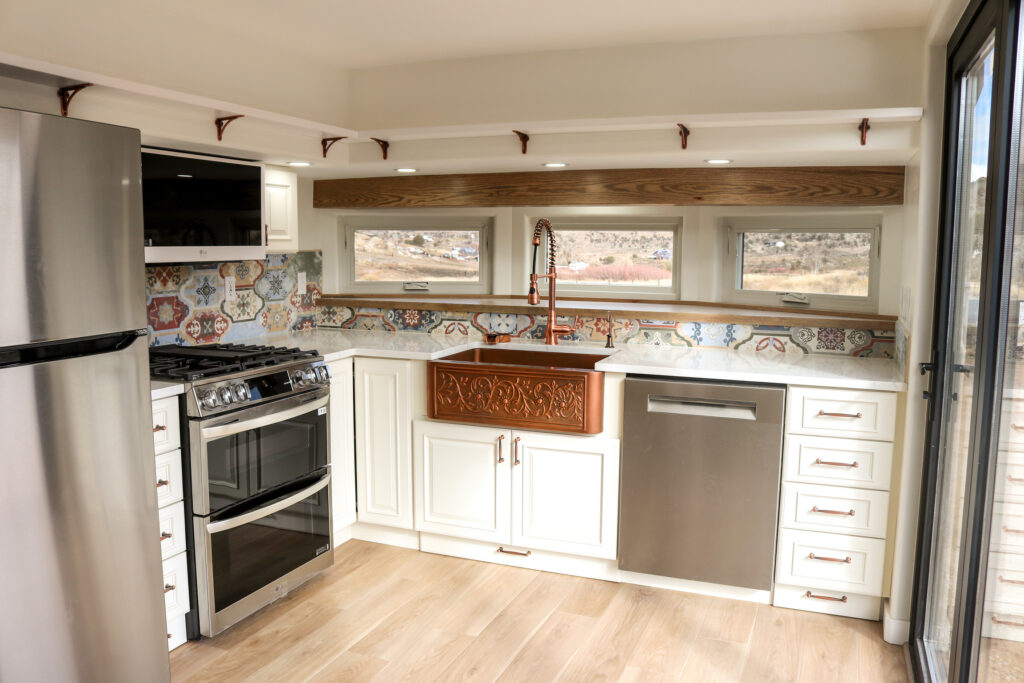
How you power your life matters more than most people think going in.
Tiny Homes are built exactly like a traditional home, full electrical panels, standard plumbing, and real HVAC systems. Want to go solar or off-grid? Tiny homes handle that too, without sacrificing any comfort.
RVs run on tank systems, shore power, and propane. It works great for weekend trips and short stints, but full-time living on those systems has real limitations, and extremely uncomfortable in extreme heat or cold.
If you’re living in it year-round, the tiny home infrastructure holds up exponentially better!
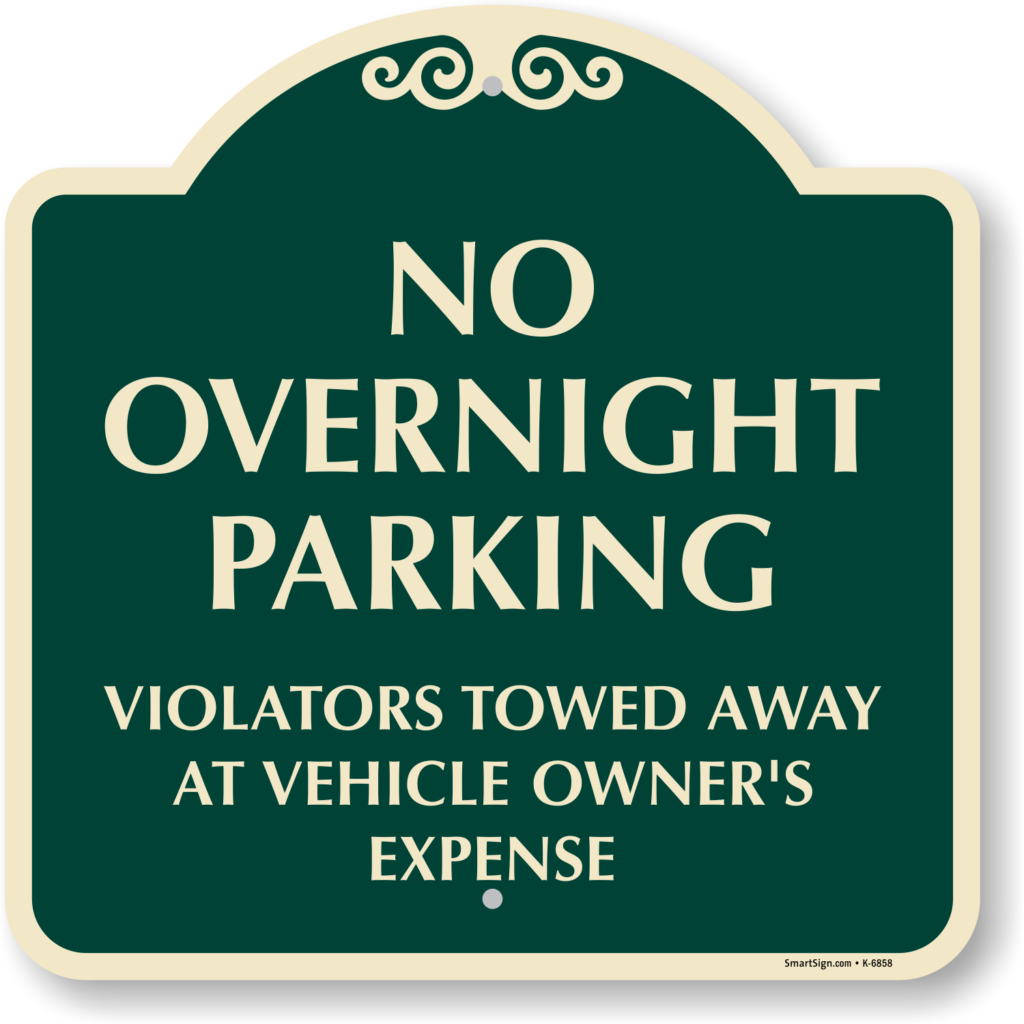
5. Zoning & Parking
Don’t skip this one, it catches people off guard.
Tiny Homes can be placed on private land, in tiny home communities, or on family property, but zoning laws vary widely by county and state. Do your homework before you buy.
RVs have more established and very limited options, campgrounds, RV parks, and some private land, but long-term residency rules is outlawed nearly everywhere. Most state and federal parks have time limits on how long you can stay.
Either way, know your local laws before you commit. This could make all the difference in the RV vs Tiny Home question.
6. Customization
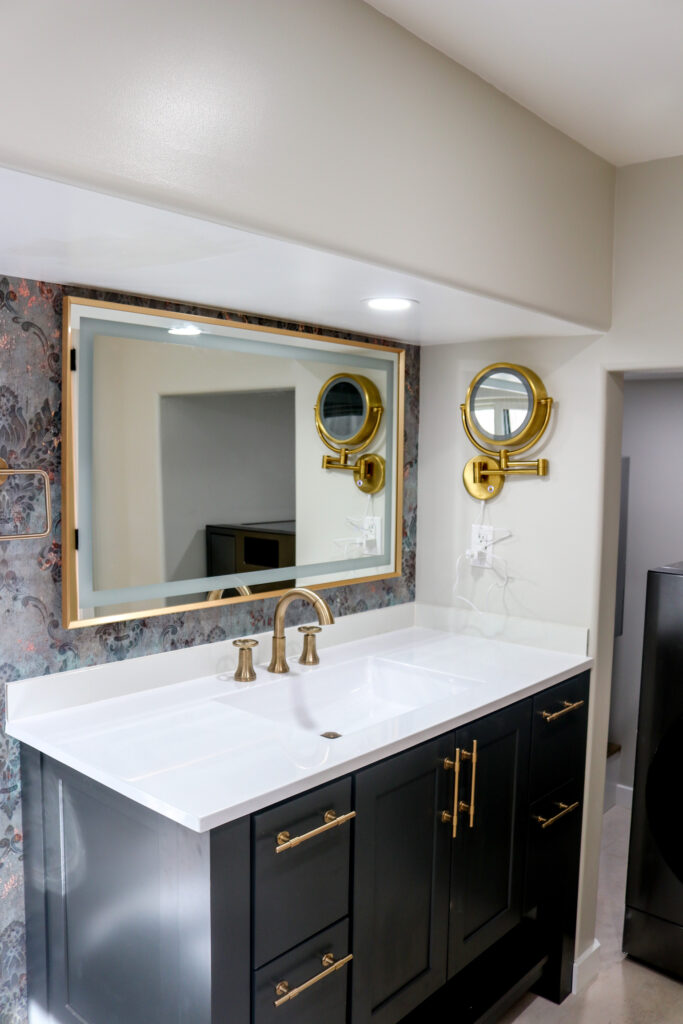
Tiny Homes are built to your specs. Layout, finishes, storage solutions, number of bedrooms, windows, insulation, colors, you have all the input on how the space lives and feels.
RVs come as configured from the manufacturer. Minor upgrades are doable, but you’re largely working with what you get. Any customizations come after purchase and are DIY projects.
If the space needs to feel like yours, a tiny home gives you that control.
The RV vs Tiny Home debate rages on. At the end of the day, both RVs and tiny homes offer a real way out of the traditional housing grind. The right choice comes down to how you want to live. If you want roots, equity, and a space that feels like home, a tiny home is your move. If you want the open road and the freedom to go wherever, whenever, an RV delivers that.
Either way, you’re choosing a life with less mortgage and more living. That’s a win.
Frequently Asked Questions
What is the main difference between an RV and a tiny home?
RVs are built to move frequently and are engineered for travel. Tiny homes are built with residential materials on a trailer frame — they’re mobile when needed, but designed for stationary living.
Which is a better investment, an RV or a tiny home?
Tiny homes hold their value significantly better. Built with residential materials, they can last 30-50+ years and appreciate similarly to real estate, especially when paired with land. RVs depreciate like vehicles.
Can you live in a tiny home full time?
Yes. Tiny homes are designed for full-time living with real insulation, standard plumbing, full electrical systems, and HVAC — everything a traditional home has, just on a smaller scale.
Are tiny homes hard to move?
They’re movable, not mobile. Moving a tiny home requires a commercial vehicle, a planned route, and securing everything inside. It can be done, but it’s not something you do on a whim like an RV.
Where can you park or place a tiny home?
Tiny homes can be placed on private land, in tiny home communities, or on family property. Zoning laws vary by county and state, so always check local regulations before purchasing.